
The South African Township Informal Economy is a self-made economy by the people for the people.
It is an economy borne out of abandonment, where a community that was left behind and undesired by the formal system/grid created their own web where they could happily and conveniently exchange goods and services in their own way and at their own terms.
This is what today is regarded as the township informal economy, this economy largely comprises of the informal point of sale driven by retail outlets such as the spaza shop, the township pharmacy, township hardware, township bakery, tavern/shebeen, liquor store, independent workshops & mechanics, back-room rentals, barbers, hair & beauty salons, funeral & burial societies, panel beaters, community childcare centers and venue security services.
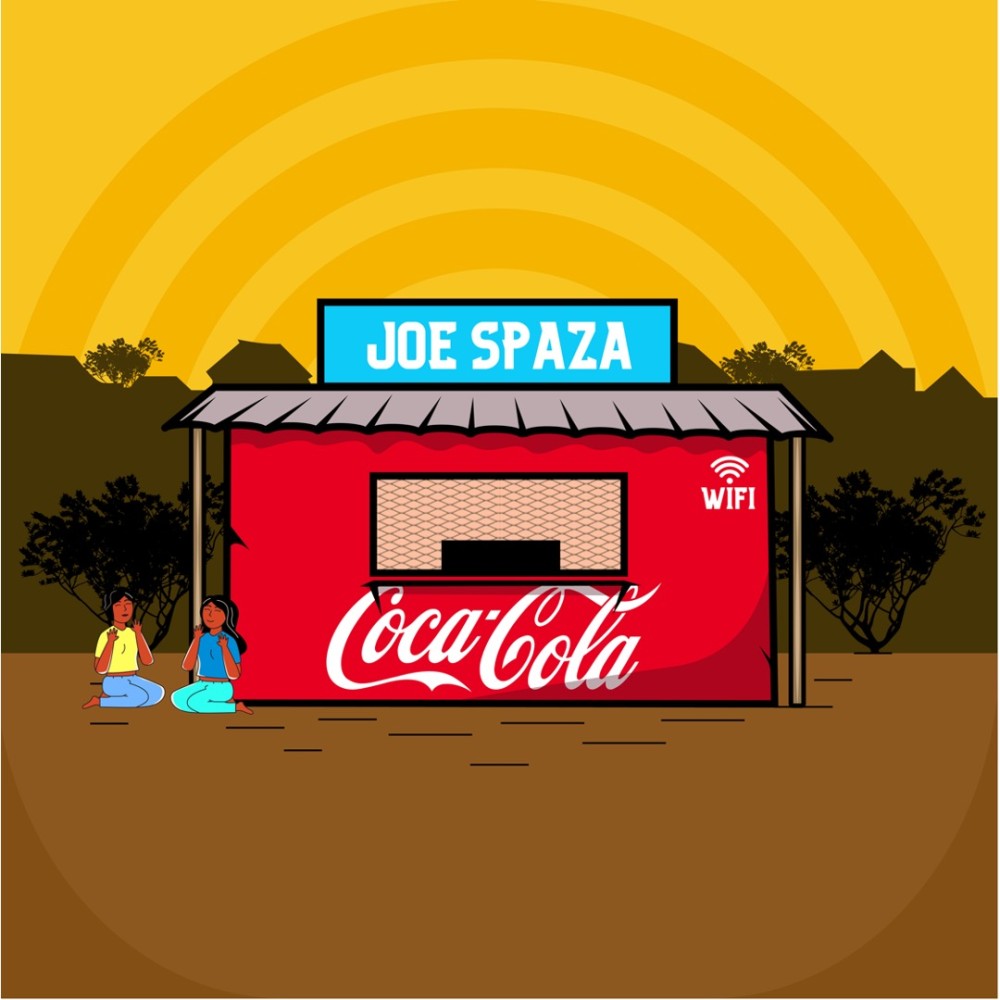
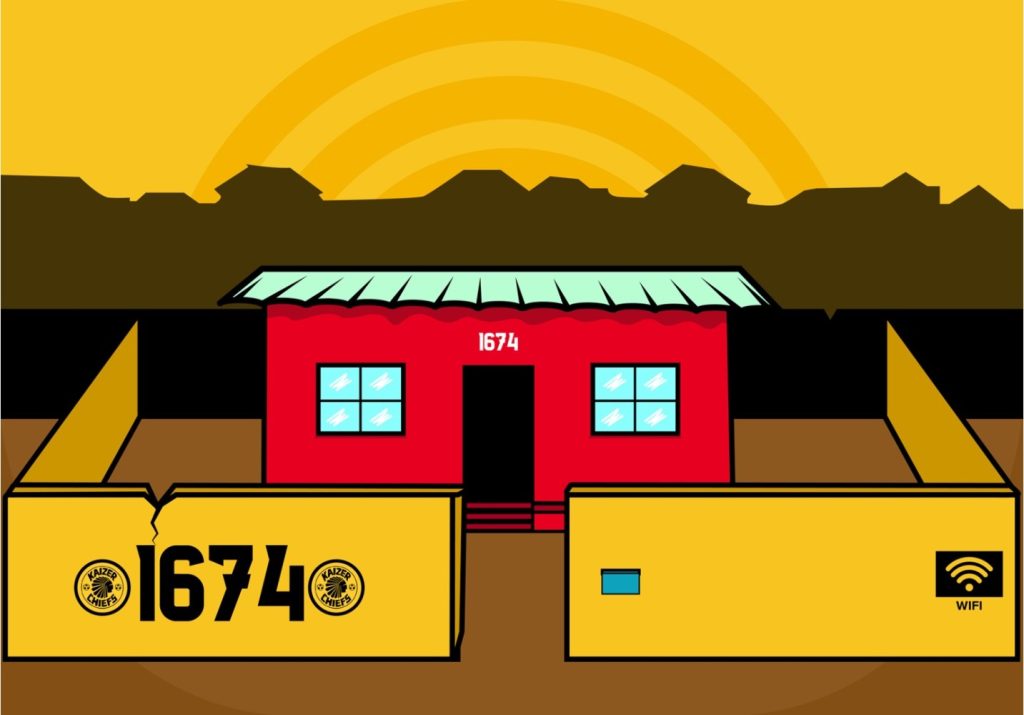
This R100 Billion economy is the total sum of the 1.4 million SME’s, which is only half of the total 2.2 million SME’s currently operating in South Africa, and contribute 36% of the total SA GDP. The R100 Billion township economic and social web is cash based, and totally disconnected from the formal system and methods, and widely known as the missing billions; this merely reveals that the world bank estimates are wildly conservative on an economy that contributes 36% of the total SA GDP. It is the desire of many brands to access these missing billions, and every year since these estimates, brands make it their key marketing and sales objective to access these billions, and this happens consistently with failure, despite the increased spent in township advertising and activations.
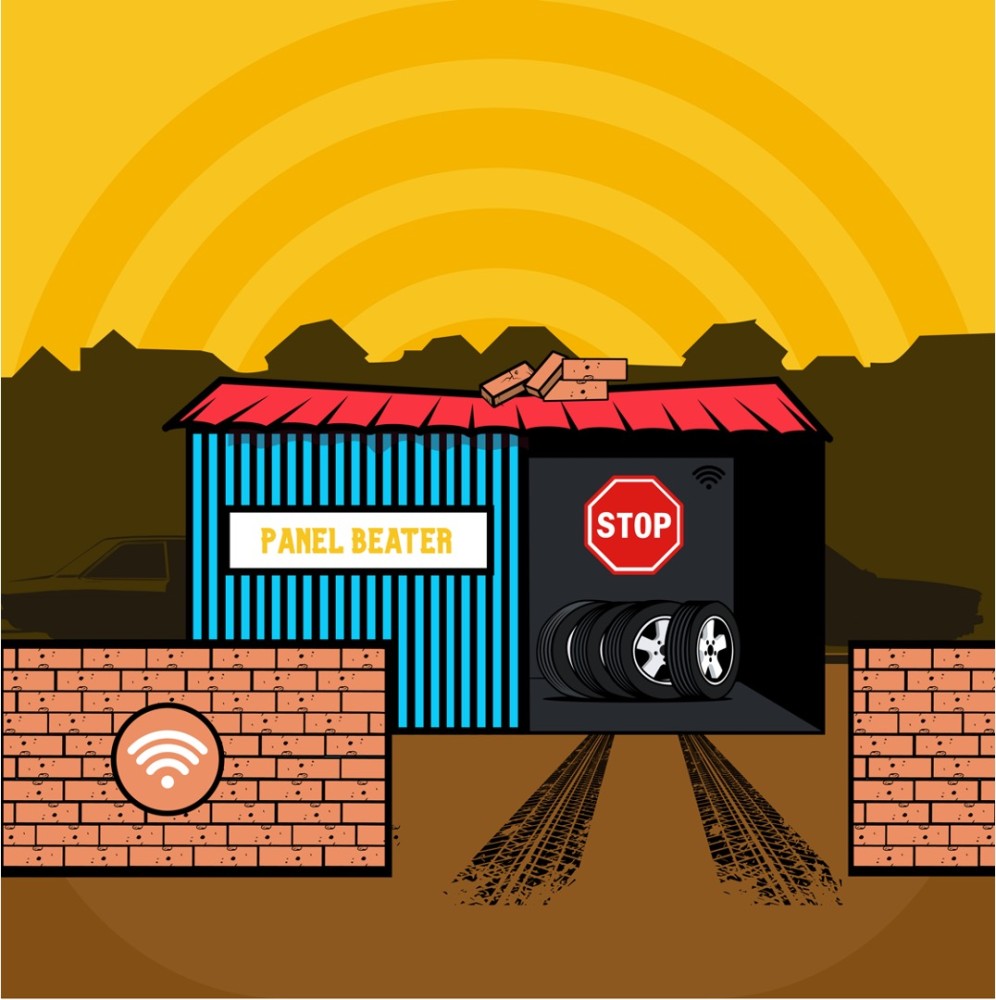
I would like to take this opportunity with incredible humility to inform you that you need to shred all that you have been told and presented to, to date! Get rid of it, lahla! Gooi weg! Ginda! The township informal economy was created by a community in survival mode, a community which needed solutions to their immediate needs at the time, and they played the hand they were dealt to come up with what is today a R100 Billion economy, and a 3rd of the total SA GDP. The informal economy systematically and by intentional behaviour rejects any formal ways to access it, you cannot use the same formal methods you used to now gain access to what you formally rejected and left to survive by itself.
Formal methods cannot win in a community that outright rejects all formal systems that are known to have historically spurned and made life difficult for the very township communities and has a stigma that runs deep in the very fiber of mistrust by these very communities.
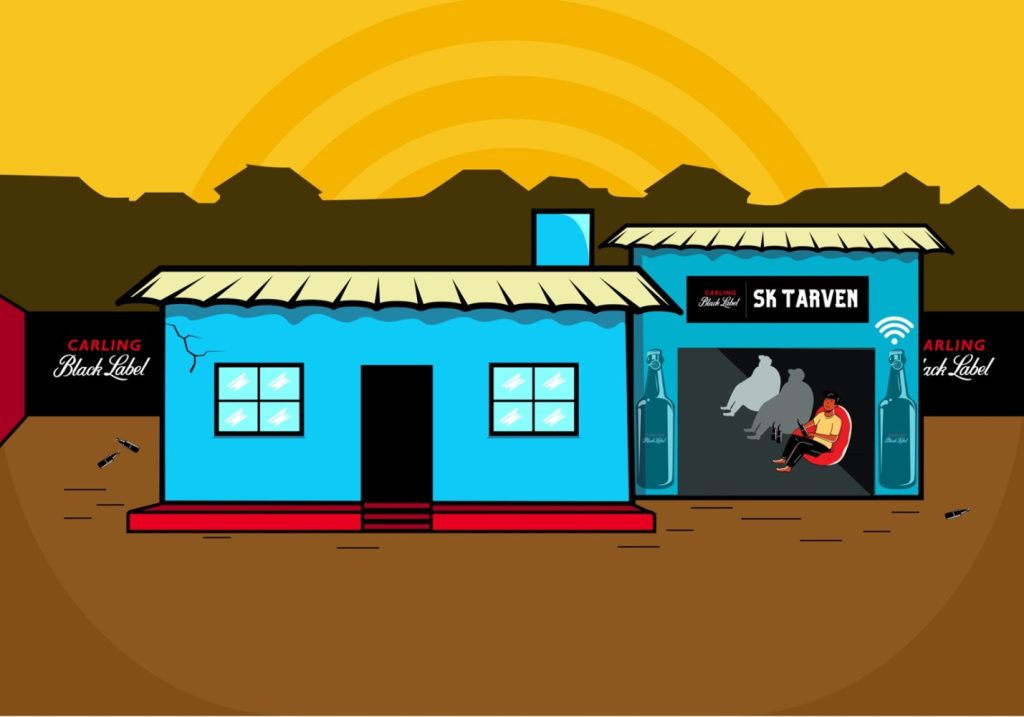
You need a recipe for affinity and a strong connection to the essence of the township community, you need to change your packaging and thinking completely off the grid, you need to collaborate and empower those closest to these community struggles to successfully gain access and relevance, you need to be a large part of the group of brands that bring real and tangible solutions across the entire value chain of community and business owner to build and empower the township economy as is, rather than change what was built by the people to suit your convenience. What you have been doing all these years is that you have simply been irritating the system, pissing off the people and wasting your money, but If you want to play with us, leave your toys at your house.
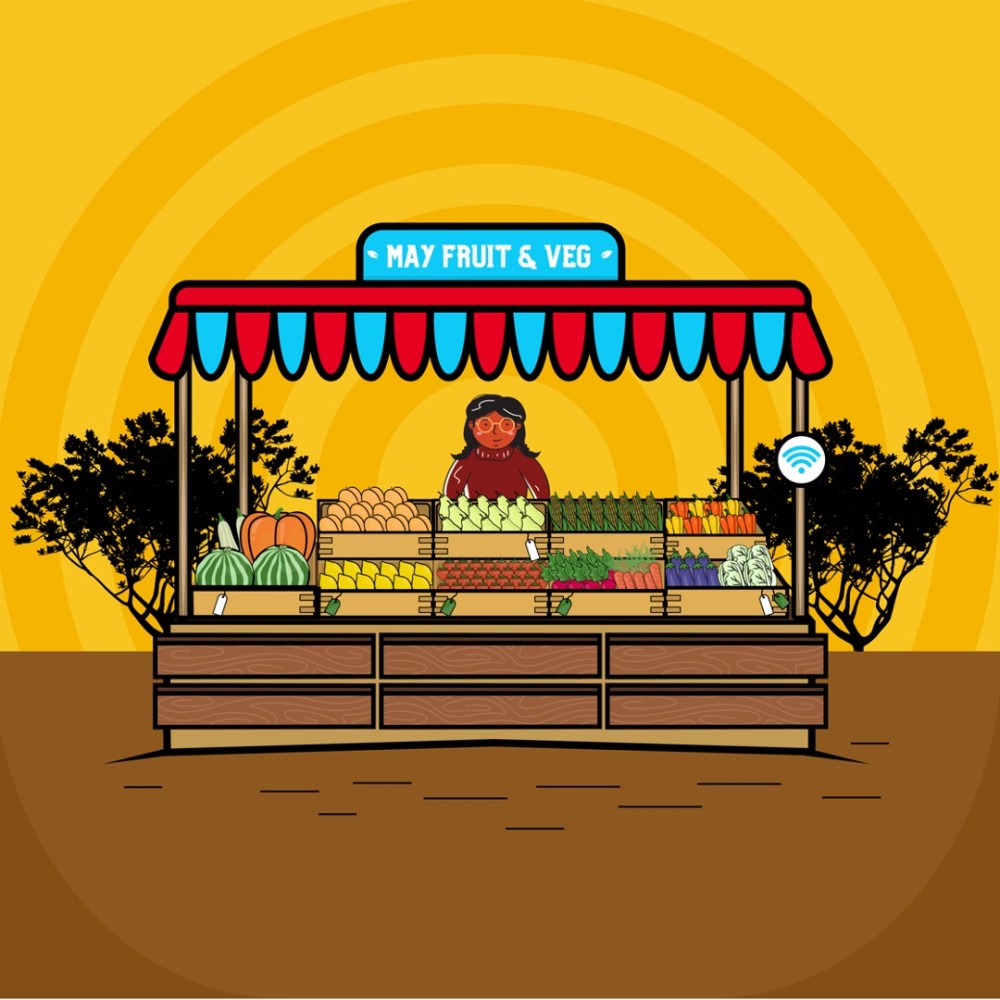
This piece was written by Kabelo Kale in personal capacity as The Township Media Specialist. Kabelo is a thought leader and public intellectual at Views from The Townships by Kabelo, and he is willing to share insights with marketing teams far and wide, to help your teams finally find solutions about the township and township informal economy, our toys, our way.